Winter & Snow Treks
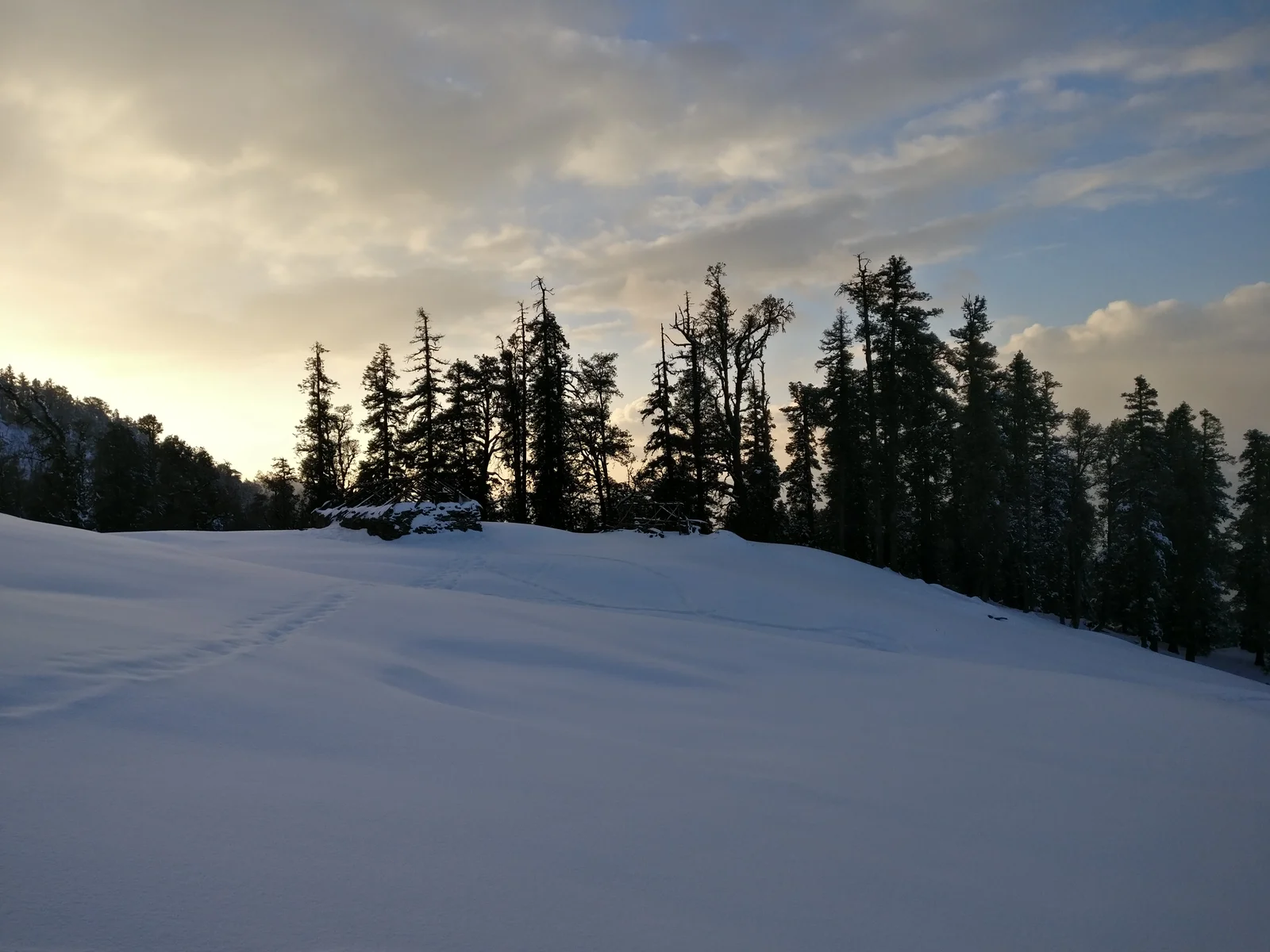
Snow trails through forests and open ridges require warm clothing, suitable footwear and flexible summit plans. Kedarkantha and Brahmatal are winter route examples.
Read more
Snow trails through forests and open ridges require warm clothing, suitable footwear and flexible summit plans. Kedarkantha and Brahmatal are winter route examples.
Read more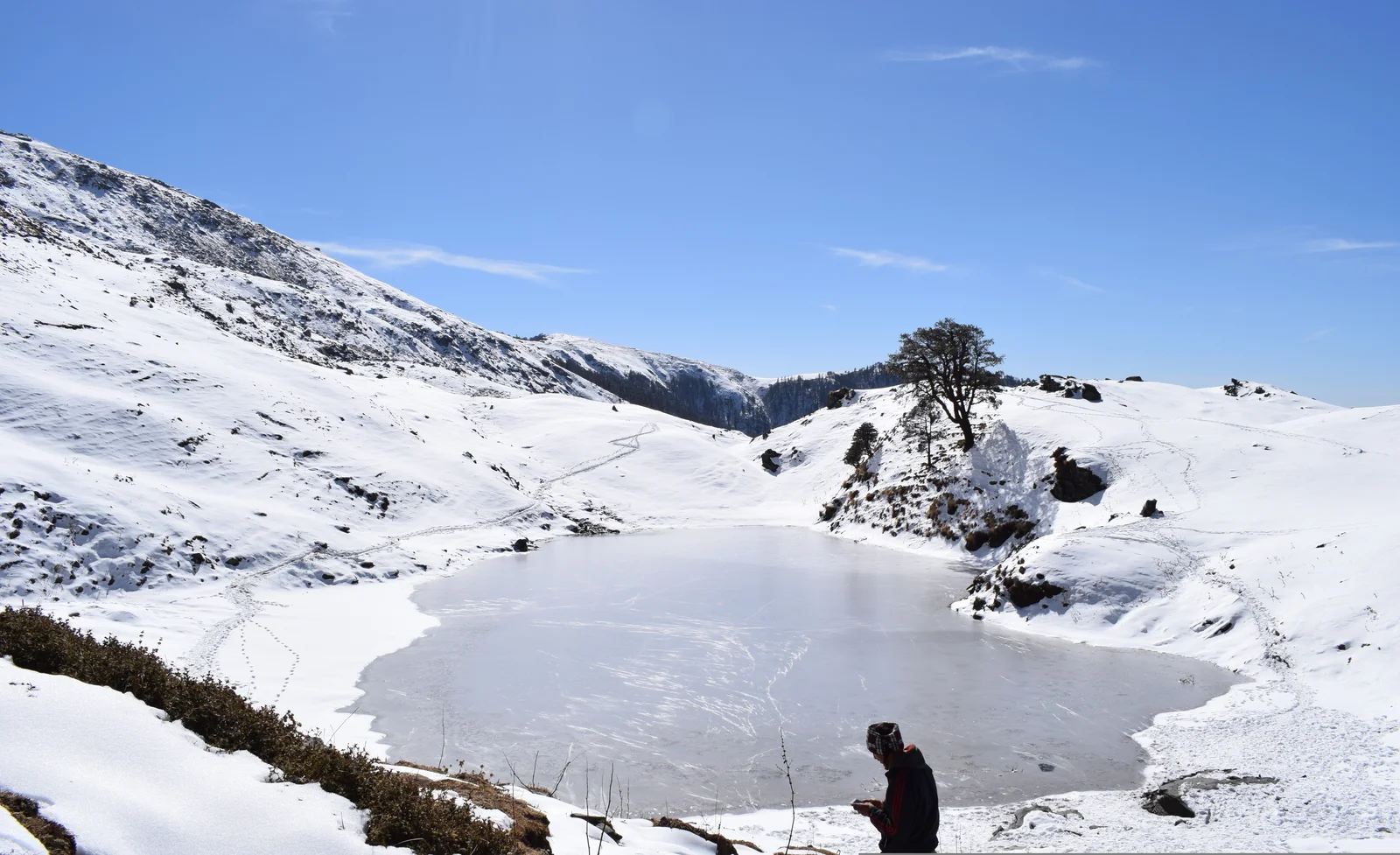
Alpine lakes combine mountain scenery with exposed terrain. Brahmatal is a winter example; lake conditions depend on temperature and snowfall.
Read more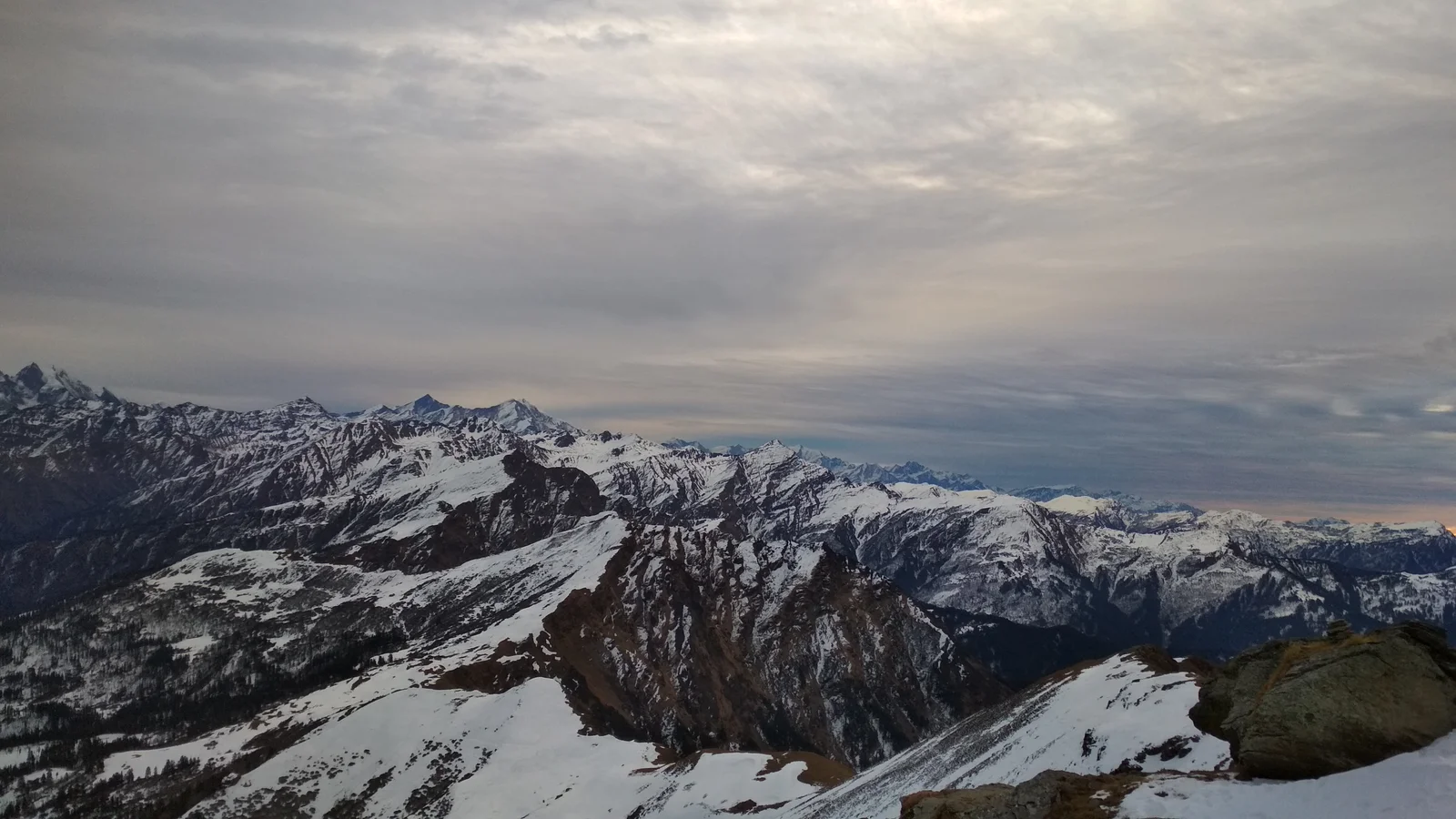
A trekking summit is different from a technical mountain climb. Compare the terrain and altitude rather than choosing only by peak height.
Read more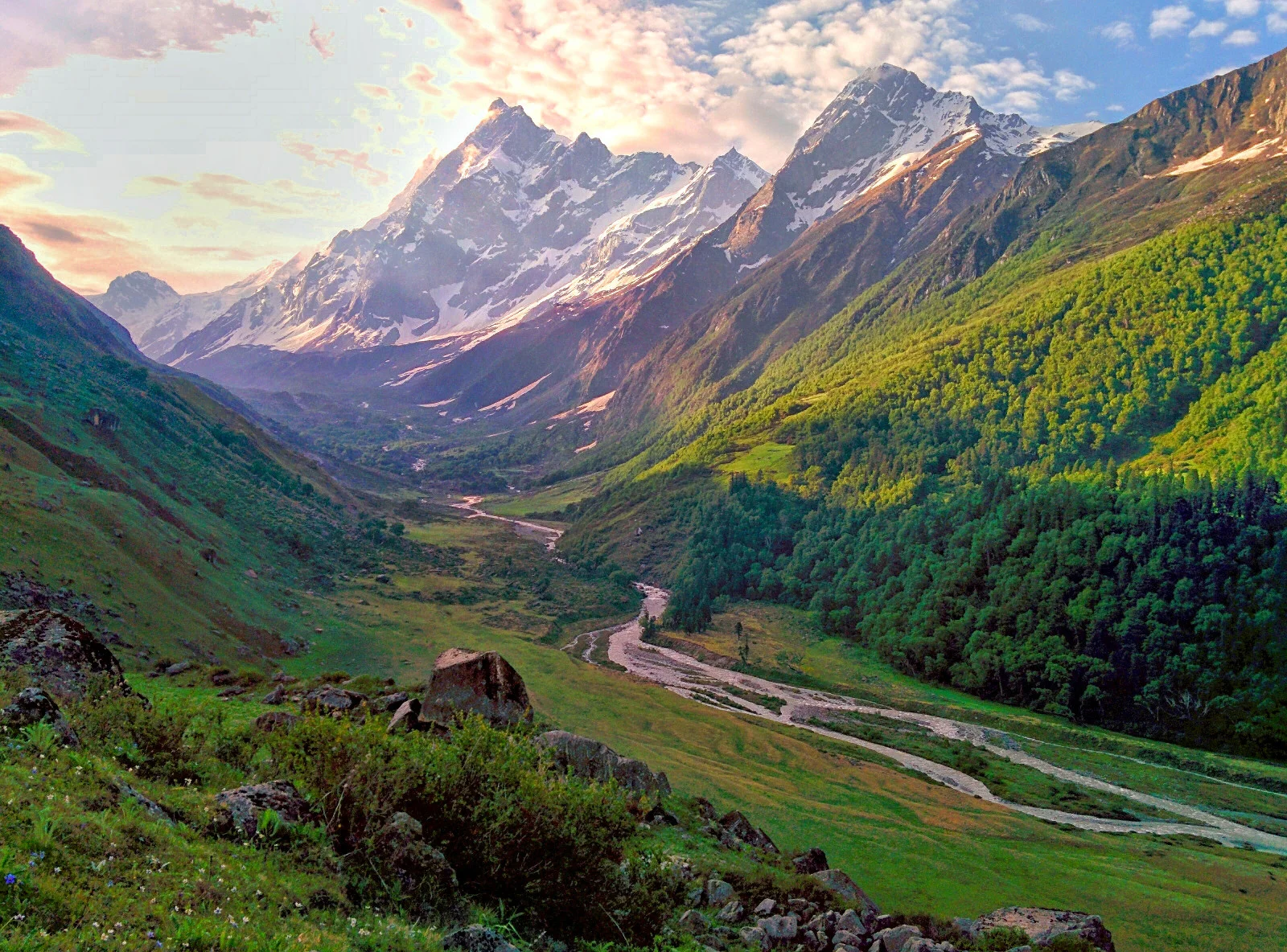
Weekend routes reduce time away but can still have long uphill and downhill days. Nag Tibba is often walked in two days.
Read moreValley routes offer river views, forest sections and village paths. Har Ki Dun follows the Supin valley towards the Swargarohini massif.
Read moreForest and shrine paths pass through places of local importance. Respect restrictions, stay on trails and ask before taking photographs.
Read moreVillage routes pass working settlements, terraces and local paths. Treat these landscapes as people’s homes.
Read more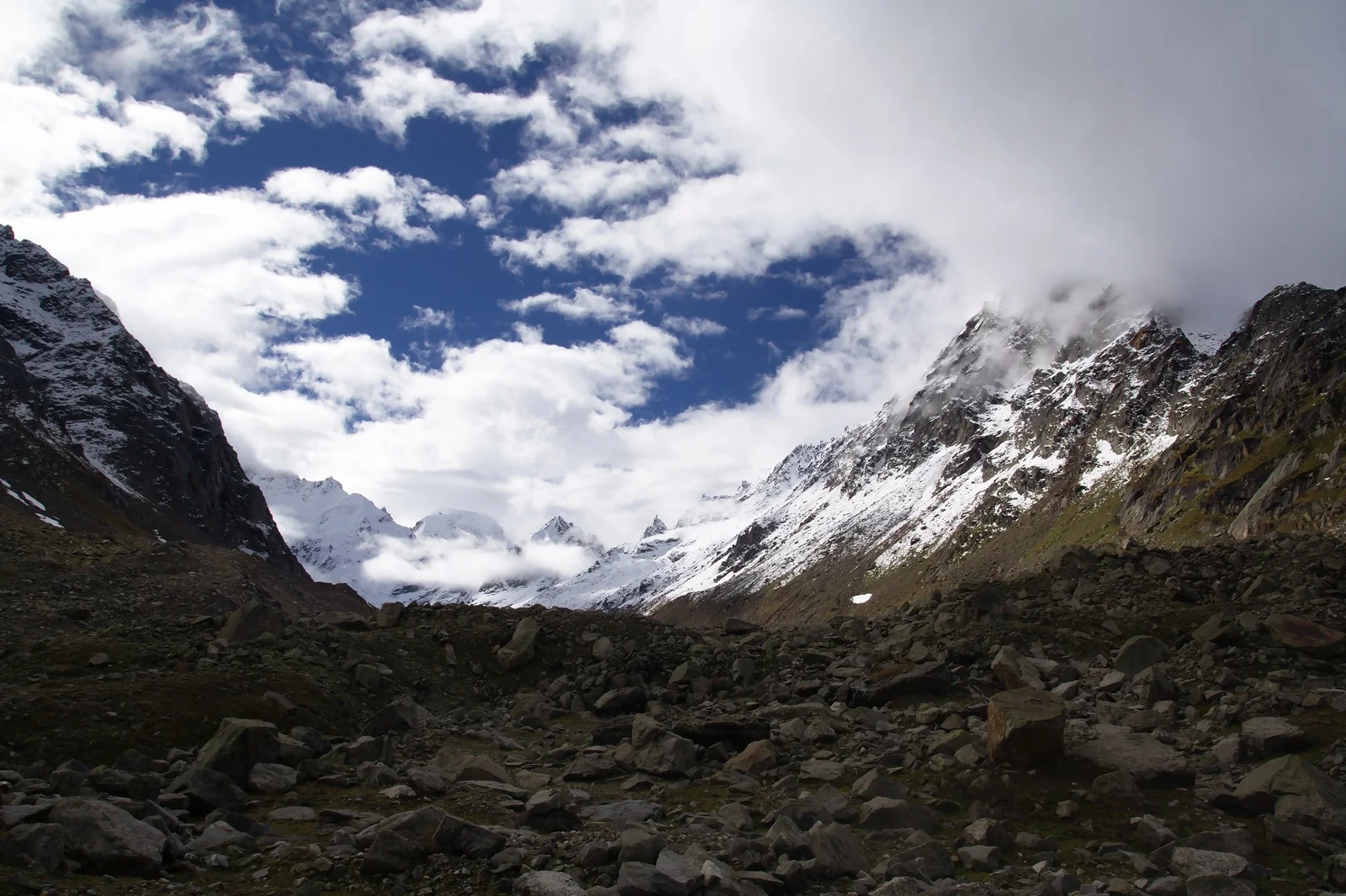
Hampta Pass crosses from the Kullu side into Lahaul through a high mountain corridor. The pass day is longer and more demanding than the approach.
Read moreMatch walking days and terrain to your experience and available time.
Check the final itinerary, availability, fee and inclusions before paying.
Build walking endurance, break in your boots and follow a seasonal kit list.
Allow time for mountain-road delays and follow the leader’s briefing.
Check communication, evacuation routes and the emergency equipment carried.
Read MoreChoose a route for its landscape and walking demands: a forest ridge, a winter summit or a long Himalayan valley.
A steady climb and an early start can bring wide mountain views when conditions allow.
Walk between valleys on routes such as Hampta Pass, with long and demanding crossing days.
Follow river valleys on established trails and use designated crossings.
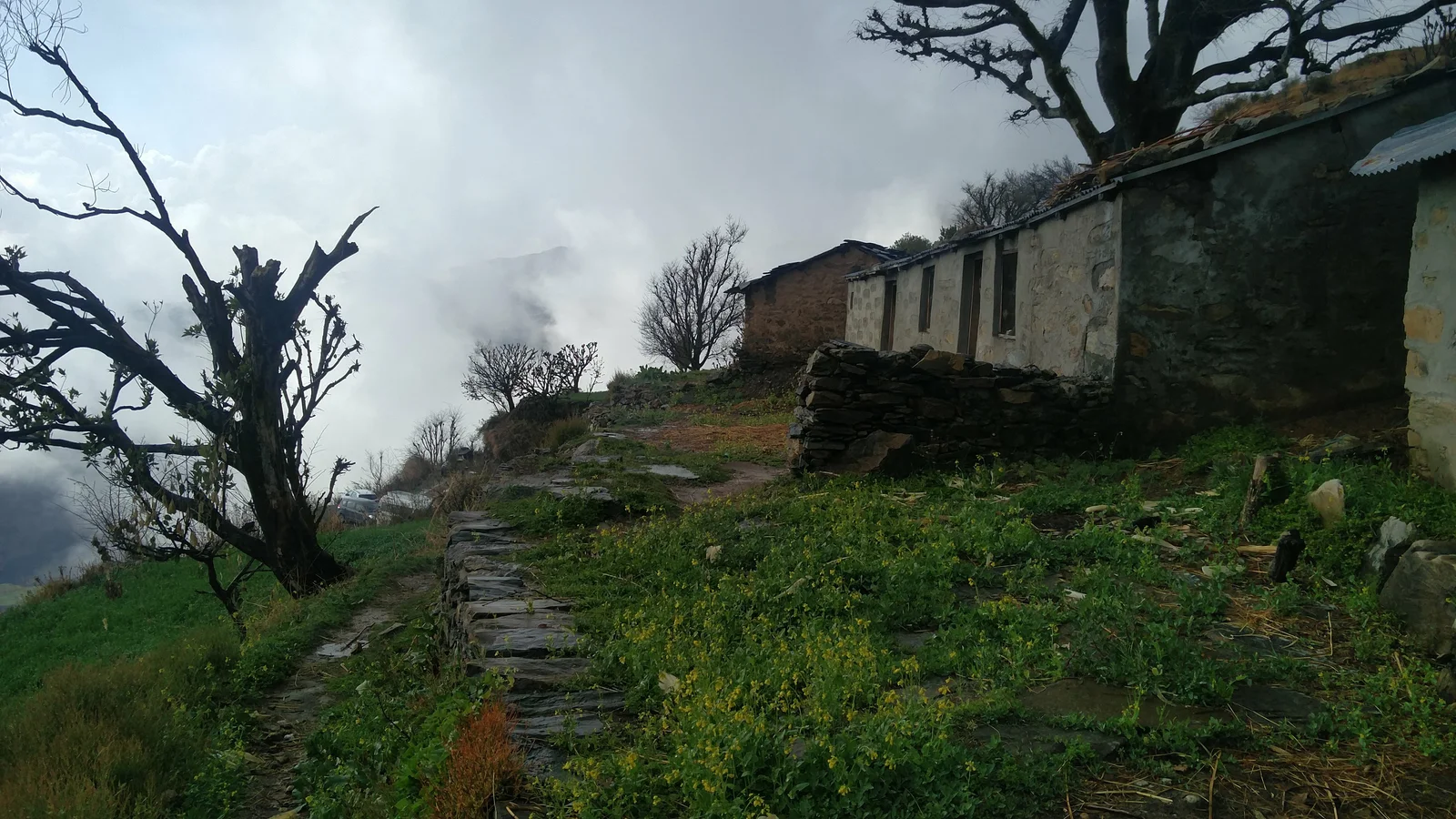
Walk through oak, pine and rhododendron belts and respect local paths.
Clear evenings offer dark skies; carry warm layers for time outside your tent.
Keep campfires off fragile alpine ground and take all litter back.
Practical guidance for choosing and preparing for a Himalayan trek.
Need any help?
Trek preparationCompare the maximum altitude, walking hours, daily climbs and season. Short forest routes such as Nag Tibba can be a starting point, but even a weekend trek needs fitness and weather preparation.
Carry broken-in trekking shoes, a backpack, warm layers, a waterproof shell, sun protection, a headlamp, refillable water bottles and personal medicines. Confirm which camp equipment and snow gear are included before departure.
Build walking endurance gradually with regular walks, stairs and strength work. Practise on uneven ground with your daypack. Match your preparation to the longest day of the chosen itinerary.
Ask for dated availability, the final itinerary, group size, guide qualifications, inclusions, exclusions, transfer arrangements and cancellation terms in writing. A route guide does not guarantee an operating departure.
Yes. Snow, rain, road closures and permit restrictions can change camp locations, access and summit plans. Keep a travel buffer and accept the leader’s decision to turn back when conditions are unsuitable.
Stay on established paths, carry litter back, avoid campfires on alpine ground and keep soap and waste out of streams. Respect wildlife, grazing areas and local customs.